Improper HVAC Installation Costs and Safety Risks How to Spot a Proper Setup
Hello from the team at Lalonde/Young Plumbing!
A new HVAC system can look clean from the driveway and still be unsafe, inefficient, or doomed to fail early. The problems usually hide in places most people do not see: refrigerant piping, drain slope, wiring, airflow setup, combustion venting, code-required safety devices, and the startup readings that prove the system is operating correctly.
That is why improper installation is so expensive. The equipment may be brand new, but if the installation is wrong, the system is already compromised.
This matters even more now as newer refrigerants enter the residential and light commercial market. Some systems may require a refrigerant leak detection system depending on the refrigerant type, charge amount, equipment design, location, and adopted code. Skipping that device when it is required is not a small paperwork issue. It can create a real HVAC safety concern and may leave the installer, property owner, and future service technician dealing with avoidable risk.
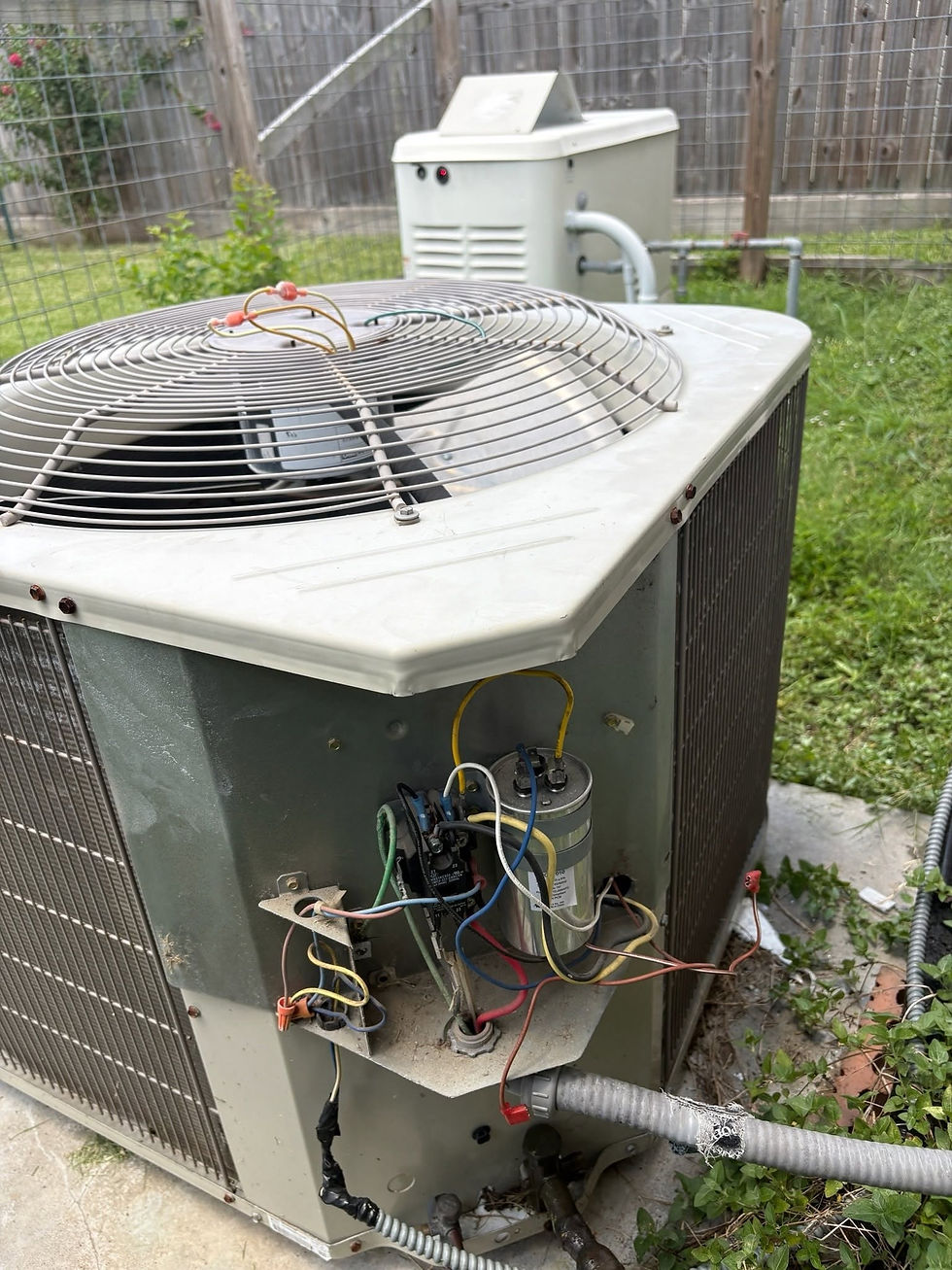
The two recent field videos that go with this post show improperly installed units that were less than a year old. They are useful examples because the equipment itself was not the main problem. The installation was.
A bad installation can cost more than the original mistake
Most homeowners think of HVAC cost in terms of the quote they accepted. Most techs think of it in terms of labor, materials, callbacks, and reputation. A poor install hits both sides.
Common costs include:
Repeat service calls to diagnose symptoms caused by the original installation
Refrigerant repairs and recharging when linesets, joints, or valves leak
Compressor damage caused by poor evacuation, wrong charge, restricted airflow, or floodback
Water damage from drain problems, missing traps, or badly sloped secondary pans
Electrical repairs when wiring, disconnects, breakers, or low-voltage circuits are wrong
Duct repairs when airflow is too low or too high for the equipment
Code corrections after an inspection, sale, or another contractor’s review
Some of these costs show up right away. Others appear slowly.
A system installed with poor airflow may cool the house for a while, but the coil can freeze, the compressor can overheat, and energy use can rise. A condensate drain with the wrong slope may work on a dry day, then leak into a ceiling during a long Houston-area cooling cycle. A refrigerant circuit that was never properly evacuated may run, but moisture and non-condensables can shorten compressor life.
Manufacturer installation manuals are not suggestions. They are part of the equipment listing and the baseline for warranty, code compliance, and safe operation.
That is one reason HVAC Installation Mistakes can be so frustrating. The homeowner paid for a working system, and the next technician inherits a problem that may require careful diagnosis before anyone can even talk about a fair repair.
The biggest safety risks are often hidden
Bad HVAC work is not just an efficiency problem. It can create safety hazards that affect the home, the people inside it, and the technicians who service the equipment later.
Electrical hazards can start with small shortcuts
HVAC equipment draws serious current. The National Electrical Code, known as NFPA 70, has rules for conductor sizing, breaker sizing, disconnects, grounding, bonding, and working clearances. The equipment nameplate also lists limits such as minimum circuit ampacity and maximum overcurrent protection.
When those details are ignored, problems can include:
Overheated wires
Nuisance breaker trips
Damaged contactors or control boards
Shock risk during service
Fire risk in severe cases
A common sign of careless work is when the breaker size does not match the equipment nameplate requirements. Another is sloppy low-voltage wiring with no protection from sharp edges, UV exposure, vibration, or water.
Refrigerant leaks can become a code and safety issue
All refrigerant leaks matter. They reduce performance, increase operating cost, and can damage equipment. With newer A2L refrigerants, leak management becomes even more important.
A2L refrigerants, such as R-32 and R-454B, are classified as mildly flammable under ASHRAE Standard 34. They are designed for safe use when installed according to the manufacturer’s instructions and applicable codes, but that safe use depends on proper installation.
In some equipment and space conditions, a leak detection system may be required. Requirements can come from the manufacturer’s installation instructions, product listing, UL standards, the International Mechanical Code, the International Residential Code, and local amendments adopted by the authority having jurisdiction.
That means the answer is not, “Every system needs one,” or “Residential systems never need one.” The correct answer is to verify the exact equipment, refrigerant, charge, location, and code requirements.
If a required leak detection system is missing, the installation may be unsafe and noncompliant. A technician should not ignore that finding just because the system runs.
Combustion and venting mistakes can create carbon monoxide risk
Gas furnaces need correct gas pressure, proper combustion air, sound venting, and verified drainage on high-efficiency condensing equipment. The risk is not theoretical. Poor combustion or blocked venting can produce carbon monoxide, a colorless and odorless gas.
Good practice includes checking the vent system, confirming proper slope and termination, testing gas pressure, and using combustion analysis where appropriate. Guessing by flame color is not enough.
Homeowners should also have working carbon monoxide alarms installed according to local code and manufacturer directions.
Water damage can come from one bad drain detail
In cooling-heavy areas such as Houston, Pasadena, Spring, Katy, and Dayton, condensate management is a major part of a proper AC install. A system can remove gallons of moisture from indoor air on a humid day.
Poor drain work can cause:
Ceiling stains
Mold-supporting moisture
Rusted pans
Float switch trips
Damaged insulation
Wet framing or drywall
A correct installation should include proper drain slope, trap configuration where required, cleanout access, secondary drain protection, and float switches or overflow protection as required by code and site conditions.
What a proper HVAC installation should include
A good installation is not based on how neat the unit looks in a photo. It is based on design, code compliance, setup, testing, and documentation.
Installation area | What proper work includes | Why it matters |
Equipment sizing | Load calculation, not guessing by old unit size | Oversized and undersized systems both create comfort and reliability problems |
Ductwork and airflow | Static pressure check, duct condition review, correct blower setup | Low airflow can freeze coils and damage compressors |
Refrigerant piping | Correct lineset size, insulation, brazing or approved joining method, pressure test | Leaks and restrictions shorten system life |
Evacuation | Deep vacuum verified with a micron gauge, often 500 microns or lower when required by the manufacturer | Moisture and air inside the system can damage refrigerant oil and components |
Refrigerant charge | Charged by manufacturer method using subcooling, superheat, weight, or listed procedure | Wrong charge reduces capacity and can damage the compressor |
Electrical | Correct breaker, wire size, disconnect, grounding, and control wiring | Electrical mistakes create fire and shock hazards |
Condensate | Correct trap, slope, venting where needed, cleanout, overflow protection | Prevents water damage and nuisance shutdowns |
Safety devices | Required switches, alarms, leak detection, and code-required controls | Safety devices only help when installed and tested |
Startup report | Temperature split, static pressure, refrigerant readings, voltage, amperage, and photos | Proves how the system performed at startup |
For HVAC technicians, HVAC installation tips should always come back to measurable setup. Good HVAC know how is not only brazing clean joints or making the equipment look straight. It is proving airflow, charge, electrical performance, condensate drainage, and safety controls.
How to spot a poor installation before it becomes expensive
No homeowner needs to become a refrigeration mechanic. Still, there are practical signs that an installation deserves a second look.
The contractor cannot explain the startup readings
A proper startup should produce numbers. If nobody measured static pressure, refrigerant performance, voltage, amperage, temperature split, or drain operation, the system was not fully commissioned.
Ask for a startup sheet. It should match the equipment installed and the conditions at the time of testing.
The refrigerant piping looks careless
Look for missing insulation on suction lines, unsupported linesets, kinks, exposed copper rubbing against metal, and oily residue near joints. Oil stains can be a clue that refrigerant has leaked, since refrigerant oil often travels with escaping refrigerant.
For heat pumps and newer refrigerant systems, also check that the equipment and lines are labeled clearly enough for safe future service.
The outdoor unit has poor clearance
Condensers and heat pumps need room to breathe. Manufacturer manuals list required clearances from walls, fences, overhangs, and other units. Restricted airflow can raise head pressure, reduce efficiency, and shorten compressor life.
The unit should sit level on a suitable pad or stand. In flood-prone or drainage-sensitive areas, elevation and placement matter.
The drain system has no visible path or protection
A homeowner should be able to identify where primary and secondary condensate drains terminate, where the cleanout is, and whether a float switch or overflow device is installed. If the system is in an attic, overflow protection is especially important.
A drain line that runs uphill, sags, or disappears with no clear service access is a warning sign.
The system is loud, short cycling, or uneven
New equipment should not constantly start and stop, shake the structure, whistle through undersized ducts, or leave large temperature differences between rooms. Those symptoms can point to duct issues, airflow problems, bad setup, poor sizing, or refrigerant errors.
The installation does not match the manual
The installation manual is one of the best tools for catching common HVAC mistakes. It gives required clearances, drain instructions, wiring details, venting rules, refrigerant line limits, airflow data, and accessory requirements.
If the actual installation conflicts with the manual, the manual usually wins unless the authority having jurisdiction requires something stricter.
Leak detection deserves special attention
Leak detection is one area where assumptions can create trouble.
A2L refrigerant systems are becoming more common because federal refrigerant rules are pushing the industry toward lower global warming potential refrigerants. The shift does not make systems unsafe by default. It does make correct installation more important.
A leak detection system, when required, may be built into the equipment or installed as a separate listed component. It may be tied into controls that start airflow, shut down equipment, or trigger another safety response. The exact requirements depend on the equipment design and applicable codes.
A proper installer should be able to answer these questions:
What refrigerant does this system use?
Does the manufacturer require leak detection for this installation?
Does local code require any additional leak detection or ventilation measures?
Where is the sensor located?
How is the sensor powered and tested?
What happens when the system detects a leak?
Is the leak detection system documented for future service?
For technicians, the key is to avoid treating leak detection as an accessory afterthought. If the manufacturer requires it, the system may not be complete without it. If local code requires it, skipping it can create a failed inspection and a safety problem.
For homeowners, the key is to ask before the install is finished. It is easier to verify requirements while the crew is on site than to correct missing controls later.
What to do if a recent installation looks wrong
If a system installed within the past year is already having problems, start with documentation. Do not rely only on opinions.
Gather:
The make and model numbers of the indoor and outdoor equipment
The installation date
The invoice or scope of work
Photos of the indoor unit, outdoor unit, drains, wiring, and refrigerant lines
Any startup report or inspection record
A list of symptoms, including dates and weather conditions
Videos of noises, leaks, fault codes, or unsafe-looking conditions
Then compare the installation with the manufacturer’s manual and local code requirements. If there is a possible safety issue, such as electrical overheating, refrigerant leaks, missing required leak detection, gas odor, carbon monoxide alarm activation, or water near electrical components, shut the system down if it is safe to do so and call a qualified professional.
For gas odors, leave the area and contact the gas utility or emergency services. For carbon monoxide alarms, follow the alarm manufacturer’s instructions and local emergency guidance.
This post is informational only. HVAC codes and requirements vary by jurisdiction, and the authority having jurisdiction has the final say on code compliance.
The best installations are verified, not guessed
A proper HVAC setup should leave behind more than a cool house. It should leave behind evidence.
Look for:
A matched indoor and outdoor system
Correct permits and inspection where required
Clean refrigerant line work with pressure testing and evacuation records
Documented refrigerant charge method
Static pressure and airflow verification
Correct breaker, disconnect, wire sizing, and grounding
Proper condensate drainage and overflow protection
Required leak detection installed and tested
Manufacturer instructions followed
A completed startup sheet
That is the difference between an install that merely turns on and an install that is safe, serviceable, and built to last.
If a recent installation in the Houston area looks questionable, or if a system may be missing required safety controls, request a professional review through Lalonde/ Young Plumbing.
The takeaway is simple: new equipment does not guarantee a proper installation. The proof is in the setup, the measurements, the code compliance, and the safety devices that protect the home after the installers leave.

TACLB#139327 RMP#40526

Comments